

TikTok as a Search Engine: A Practical Guide for Brands
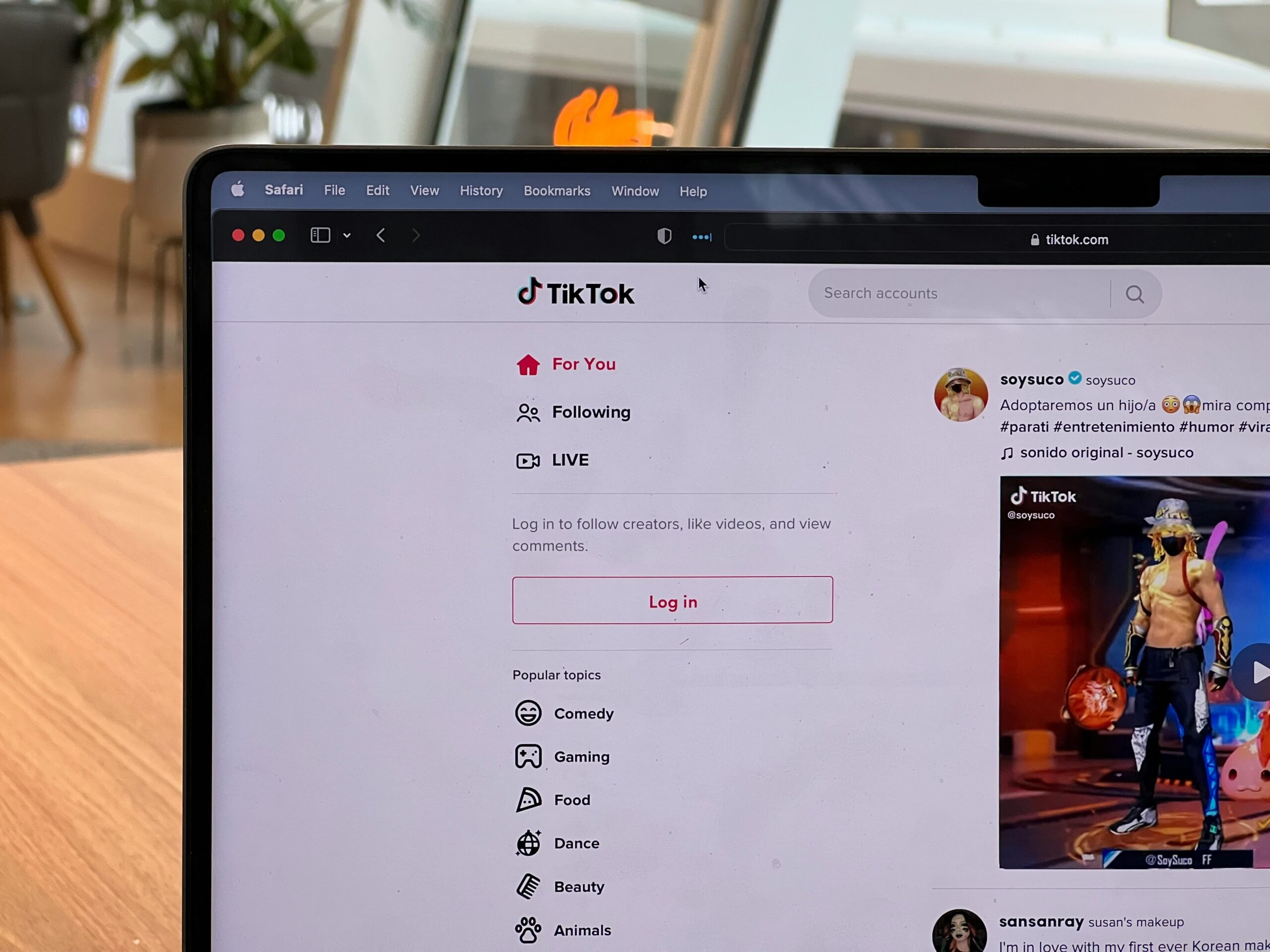
TikTok is not the largest search engine, and it has not replaced Google. It has become an important search and discovery platform, especially when people want visual proof, candid opinions, local recommendations or a quick demonstration.
That distinction matters. A brand does not need to choose between TikTok and traditional search. It needs to understand which questions people ask on each platform and create useful content for the full research journey.
Is TikTok a search engine?
TikTok includes a search system that helps people find videos, creators, sounds and topics. Search also works alongside the For You feed. A person may discover a subject while scrolling, search for more detail, read the comments and continue researching elsewhere.
TikTok reported in 2025 that billions of searches happen on the platform each day and that search volume had grown by more than 40 percent over the prior year. Those figures come from TikTok’s own product announcement, so they should be treated as platform-reported data. They still show that search is a core part of the product rather than a minor feature.
2026 platform update: TikTok for Business now documents a dedicated Search Ads Campaign with keyword targeting managed at the ad-group level and placement limited to TikTok search results. That makes search a distinct paid product as well as an organic discovery behavior, but the two require different creative and measurement plans.
The better description is that TikTok captures both passive discovery and active search. Google often starts with an explicit question. TikTok can create the question before helping a user investigate it.
What people search for on TikTok
TikTok is strongest when the answer benefits from seeing a person, place, product or process. Common search behavior includes:
- restaurants, hotels and things to do in a city;
- product demonstrations, comparisons and reviews;
- interior inspiration and home projects;
- fashion, beauty and styling questions;
- travel planning and firsthand experiences;
- tutorials and practical explanations; and
- creator opinions about products or cultural moments.
These searches contain context that a standard product page may not provide. Viewers can see how a hotel feels, how a chair fits into a room or how a garment moves. Comments add another layer of questions and social proof.
TikTok search and Google search serve different jobs
Google remains critical for websites, maps, detailed comparison, transactional searches and information that needs a stable source. TikTok is often better at inspiration, visual evaluation and community perspective.
A hotel guest might discover a property through a creator’s video, search TikTok for room tours, check Google Maps for location and reviews, and then visit the hotel’s website before booking. Each surface influences the decision.
This is why social search should support an SEO strategy rather than compete with it. The brand needs consistent facts and a clear path between discovery, validation and action.
How to create content for TikTok search
Start with a real audience question
Use questions that customers ask during sales conversations, in comments, in reviews and through site search. A useful topic is specific enough to answer clearly. “Three quiet boutique hotels near Madrid’s main museums” gives the viewer more value than “Madrid travel tips.”
Say and show the subject early
Identify the topic in the opening seconds. Use clear spoken language, on-screen text and a caption that describes the actual subject. This improves comprehension and gives the platform consistent context about the video.
Answer before adding promotion
The video should satisfy the query. A restaurant guide needs real recommendations. A product comparison needs visible differences. A tutorial needs usable steps. Brand promotion can follow, but it should not replace the answer.
Use the comments as research
Comments reveal follow-up questions, objections and missing detail. A strong question can become the next video, an FAQ or a longer website article. The comment section is useful evidence, but it is not a substitute for factual review.
Create a destination for deeper intent
Some viewers only want an answer. Others want availability, pricing, specifications or a way to inquire. Link the topic to an appropriate profile destination or landing page. The page should continue the same subject instead of sending every visitor to a generic homepage.
How creators affect TikTok search
Creators can give a brand access to a trusted voice, a recognizable format and an existing audience. The fit matters more than follower count alone. Look for creators whose subject, visual language and audience questions match the buying decision.
A productive collaboration also creates more than one post. The brand can learn which language people use, which product details draw attention and which questions remain unanswered. FORTUNE Marketing’s creator partnership work connects creator selection with the wider campaign and customer journey.
What businesses should measure
Views alone cannot show whether search content is working. Track a short chain of signals:
- search terms and topics associated with the content;
- average watch time and completion;
- saves, shares and substantive comments;
- profile visits and qualified follower growth;
- clicks to the relevant website destination;
- branded search growth; and
- inquiries or sales influenced by the content.
Search content may continue receiving views after the first publishing window, so review performance over several weeks rather than judging it only on the first day.
When TikTok search is a weak fit
TikTok should not become a default recommendation for every business. It is a weak priority when the target audience is not present, the offer cannot be shown or explained well in video, the team cannot maintain credible production, or the website cannot support the interest that content creates.
A small team should compare TikTok with other opportunities. A useful service page, local search improvement or email program may produce more value. FORTUNE Marketing’s methodology evaluates the business problem before assigning a channel.
TikTok search should connect to the wider acquisition system. Paid media can test keyword and creative demand, while website design gives that discovery a useful destination.
A connected social search strategy
TikTok can create demand, capture questions and show experiences in a format that feels immediate. Google, the website and other owned channels help people validate the details and act. The strongest strategy gives each platform a clear job.
FORTUNE Marketing connects social media marketing, creator partnerships and website content for design-led brands. Our industry work includes interior design marketing, architecture marketing and hospitality marketing.