

Hotel Marketing Strategy for Design-Led Hotels
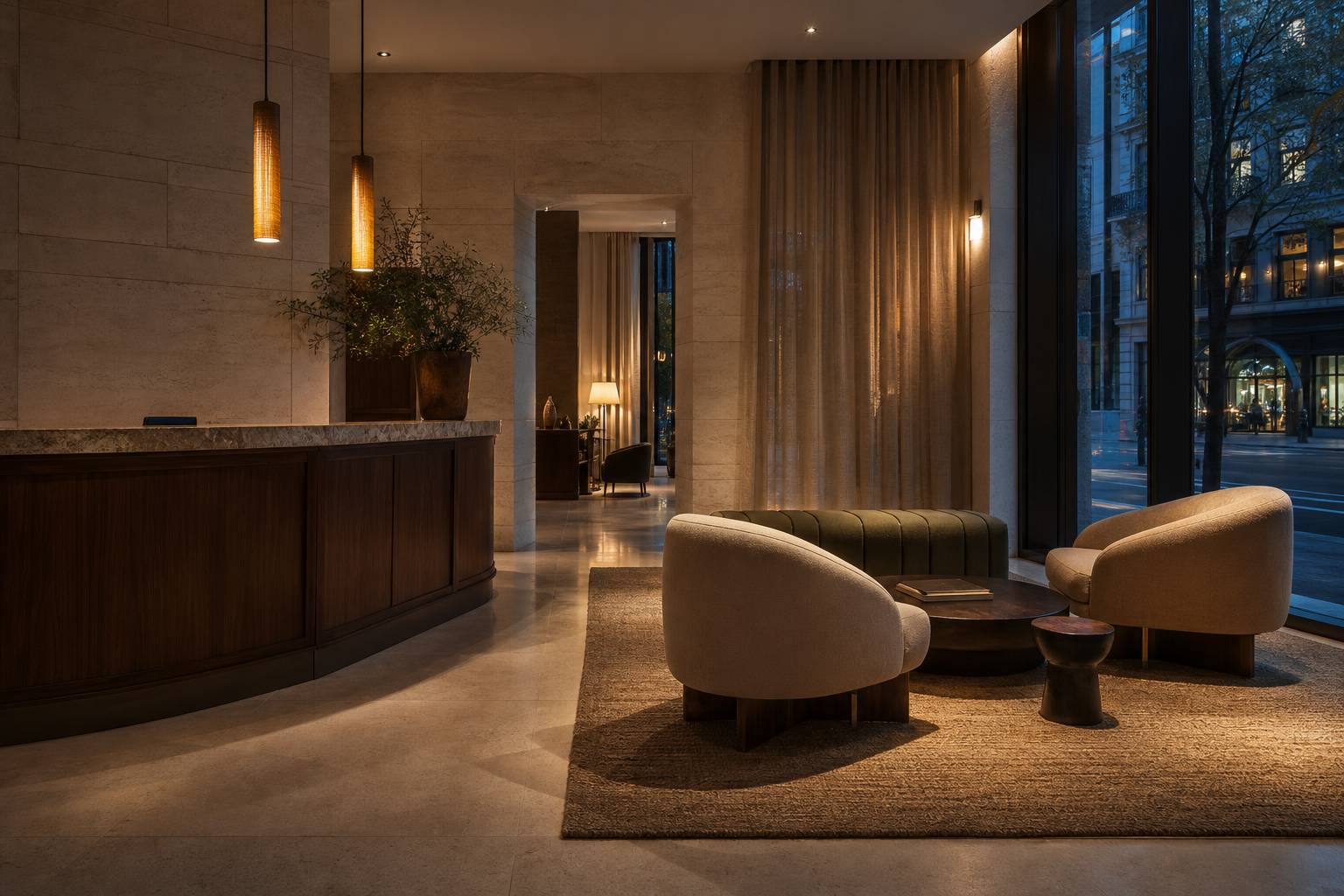
A beautiful hotel can still be hard to choose. Travelers do not book materials, furniture or a clever logo on their own. They book a clear promise about how a stay will feel. A strong hotel marketing strategy turns the property, service and destination into that promise, then repeats it across every channel.
For design-led hotels, this work demands restraint. The goal is not to make the brand louder. The goal is to make its value easier to understand, remember and book.
In brief: start with one guest, one point of view and one commercial goal. Build a content system from real hotel rituals. Then connect search, social, email and paid media to a direct-booking journey that feels as considered as the property.
Why a Beautiful Property Is Not a Hotel Marketing Strategy
Design creates attention, but attention alone does not create demand. A prospective guest still needs to know why this hotel fits their trip, why the location matters and why booking direct feels safe.
Many independent hotels publish attractive images without building a narrative around them. As a result, the feed feels polished while the website feels generic. Search pages target broad location terms, email arrives only when a discount appears and paid ads send visitors to a homepage with no clear next step.
A strategy connects those parts. It gives every channel a job and every asset a reason to exist.
Start With the Guest Tension, Not the Demographic
Age and income can guide media buying, but they rarely produce a distinctive message. Instead, identify the tension that brings the right guest to your door.
- They want to feel connected to a city without staying in its busiest district.
- They care about design but reject formal luxury.
- They need calm during a work trip without choosing a corporate hotel.
- They want local recommendations with taste, not a generic tourist list.
That tension should shape the room copy, photography, neighborhood guides, creator briefs and offers. When the message starts with a real decision, the hotel becomes easier to choose.
Turn the Property Into a Content System
The room is not the whole campaign. The campaign lives in the sequence of moments around it: the first coffee, the route to the museum, the sound of the bar at six, the light that reaches the courtyard and the quiet return after dinner.
Organize those moments into four repeatable content pillars:
1. Space
Show rooms, public areas and material details with enough context to help guests understand scale and flow. Pair wide views with tactile close-ups. A good hospitality photography system should answer practical questions while creating desire.
2. Ritual
Capture what happens at a specific time. Breakfast preparation, afternoon turn-down, a bartender opening the terrace or a concierge marking a map will feel more alive than another empty lobby shot.
3. Place
Treat the neighborhood as part of the product. Build useful guides around galleries, independent shops, architecture, food and short itineraries. These pages can support search visibility while proving local authority.
4. People
Feature the designers, chefs, makers, neighbors and team members who give the hotel its character. Their perspective adds credibility that polished brand copy cannot manufacture.

Give Every Channel One Clear Job
A design-led hotel does not need to post everywhere every day. It needs a deliberate path from discovery to booking.
- Search captures active demand around the destination, property type and travel need.
- Social media makes the atmosphere legible and keeps the hotel memorable.
- Email turns past interest into return visits, seasonal demand and longer guest relationships.
- Paid media accelerates proven messages, protects branded search and supports need periods.
- Creator partnerships introduce the property through a trusted point of view.
Our social media marketing and creator partnership work follows this model. Content should move a guest forward, not simply fill a calendar.
Build a Direct-Booking Story
The website should continue the exact story that created the click. If an Instagram post highlights the courtyard breakfast, the landing page should show that ritual, explain what is included and make availability easy to check.
Likewise, a search page for a design hotel in Madrid should not open with vague lifestyle copy. It should quickly establish the location, aesthetic, room types, proof and booking path. Clear information protects the brand because guests do not need to leave the site to resolve basic doubts.
Measure Demand, Not Applause
Likes can reveal creative resonance, but they cannot carry the whole decision. Track performance across the journey:
- non-branded search visibility for relevant destination and hotel terms
- qualified website sessions and room-page engagement
- booking-engine starts and completed direct bookings
- email list growth, repeat stays and offer revenue
- assisted conversions from social and creator content
- cost per booking and revenue by channel
Google’s guidance on helpful, people-first content supports the same principle: publish material that serves a real audience and demonstrates first-hand value.
A 90-Day Hotel Marketing Strategy
Days 1 to 30: Define
Audit the guest journey, channel performance and current assets. Choose the primary guest tension, sharpen the positioning and map priority search themes. Set a commercial baseline before changing the content calendar.
Days 31 to 60: Produce
Create a core photography and video library around space, ritual, place and people. Rewrite the most important landing pages. Build three evergreen social series and one useful destination guide.
Days 61 to 90: Distribute
Launch the content across search, social and email. Support the best messages with paid media. Then review direct-booking behavior and refine the weak step rather than replacing the whole strategy.
Frequently Asked Questions
What should a hotel marketing strategy include?
It should define the right guest, positioning, channel roles, content system, direct-booking path, budget and performance measures. It should also connect brand decisions to revenue goals.
How often should a boutique hotel publish content?
Consistency matters more than volume. A focused hotel can publish two or three strong social posts each week, one useful search-led article each month and timely email around seasons, events and guest behavior.
Should a design-led hotel use paid ads?
Yes, when the website and message already work. Start with branded search, retargeting and targeted campaigns for high-intent stays or need periods. Do not pay to send guests into a confusing booking journey.
Make the Hotel Easier to Choose
The best hotel marketing strategy preserves the property’s point of view while removing doubt. It translates atmosphere into useful content, distributes that content with purpose and measures whether more of the right guests book directly.
If your property has a strong physical identity but a scattered digital presence, talk with FORTUNE Marketing about building a system that carries the experience from first impression to confirmed stay.