

Email Marketing for Fashion Brands Without Training Customers to Wait for Sales

Fashion email marketing often collapses into a cycle of arrivals, promotions and urgency. That may produce short spikes in revenue, but it trains the audience to wait for a discount and gives a design-led brand little room to build meaning.
Email can do more. It can create rhythm around a collection, explain construction and styling, reward attention and turn occasional customers into people who understand the brand.
Give Email a Clear Role
Social media creates discovery. The website supports evaluation and purchase. Email should connect those moments through a direct relationship the brand controls. It can introduce an idea gradually, bring a customer back to a considered product and adapt the message using real behavior.
Set goals by email type. A launch email may drive collection visits. A material story may increase engagement with a high-consideration piece. A replenishment email may generate immediate revenue. One metric cannot judge every message.
Build the List With a Real Value Exchange
A generic discount popup attracts price-sensitive signups and little loyalty. Offer something aligned with the brand: early collection access, thoughtful editorial notes, event invitations, care guidance or a useful seasonal edit.
Explain what subscribers will receive and how often. Place signups where interest is strongest, including editorial stories, product pages, lookbooks and physical events. Collect only the information the brand will actually use.
Plan a Collection as a Narrative
A launch does not need to happen in one email. Build a sequence:
- the reference, place or problem behind the collection
- materials, fittings or development
- the full collection and key silhouettes
- styling or objects in real use
- availability, delivery and final practical details
This structure gives customers several ways into the work. It also gives the team enough time to learn which products and ideas earn interest before the campaign ends.
Segment by Behavior and Relationship
A first-time visitor, loyal customer, press contact and wholesale buyer should not receive the same message. Start with useful distinctions: customer versus subscriber, recent versus lapsed, product category, geography and engagement.
Use behavior carefully. Someone who viewed tailoring several times may welcome a focused edit. Someone who bought a coat does not need an immediate promotion for the same coat. Segmentation should make the communication feel more relevant, not watched.
Create Automated Emails That Still Feel Designed
Automations often generate the highest return because they respond to real moments. Build and refine welcome, browse, cart, post-purchase, back-in-stock and re-engagement sequences.
Protect the brand voice inside each flow. A cart email can clarify delivery, fit or returns rather than relying on pressure. A post-purchase sequence can include care, styling and the story of the piece. A welcome series should help a new reader understand the brand before asking for a purchase.
Design for the Inbox and the Hand
Most subscribers will read on a phone. Use a clear hierarchy, concise copy, legible type and buttons large enough to tap. Keep the essential idea in live text when possible, since image-only emails can fail when images are blocked and often create accessibility problems.
Test dark mode, loading speed and common email clients. Add descriptive alt text. The email should remain understandable even when the most beautiful campaign image does not load.
Balance Editorial and Commercial Messages
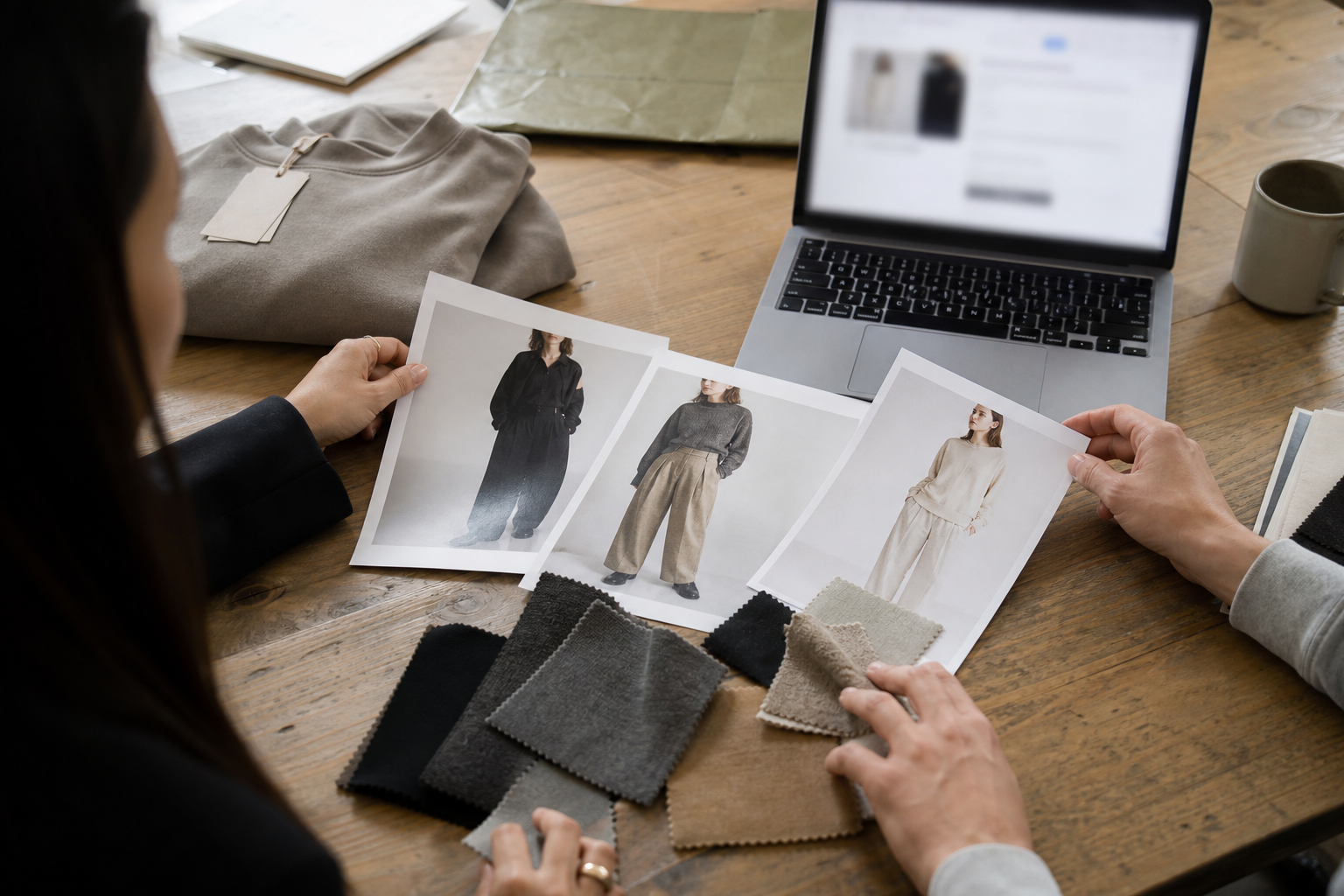
A healthy program includes product launches, useful edits, process, people, places, events and care. Editorial content earns attention between purchases. Commercial content gives that attention a clear path.
Turn a studio visit into an email with a specific observation. Use a designer interview to explain proportion or fabric choice. Connect the story directly to the relevant product instead of adding a generic shop button.
FORTUNE Marketing’s email marketing services help design and fashion brands connect campaigns, automation and audience strategy without losing editorial quality.
Protect Deliverability
Permission and relevance matter. Use clear consent, authenticate the sending domain, remove invalid addresses and make unsubscribing easy. Suppress consistently inactive contacts rather than sending more frequently to a disengaged list.
Monitor spam complaints, bounce rates and inbox placement alongside opens and clicks. Privacy changes have made open rates less reliable, so focus on clicks, site behavior, purchases and longer-term customer value.
Measure the Relationship, Not Only the Campaign
Track revenue per recipient, conversion, repeat purchase, automation performance, list growth and unsubscribe rate. Compare engaged subscribers with non-subscribers over time. Review which editorial themes lead to meaningful product interest.
Frequently Asked Questions
How often should a fashion brand send email?
Choose a rhythm the brand can sustain with distinct material. Many brands begin with one or two campaigns a week plus behavior-based flows, then adjust based on engagement, launches and customer expectations.
Should a premium fashion brand offer signup discounts?
Not automatically. Early access, service, editorial value or invitations may attract a better audience. If a discount is used, test whether those subscribers become repeat customers or only buy once.
Make Every Send Earn Attention
The inbox is intimate and crowded. A design-led fashion brand earns its place by being useful, specific and recognizably itself. The goal is not to send more. It is to create a relationship worth opening.
If your email program looks polished but depends on promotions, talk with FORTUNE Marketing about building a stronger campaign and automation system.