

Collectible design, galleries and cultural brands sell more than objects or tickets. They build context around authorship, material, rarity, scholarship and place. Their marketing must make that context accessible without making the work feel ordinary.
The challenge is not to manufacture exclusivity. It is to help the right audience understand why the work matters, then create a clear path from curiosity to visit, enquiry, acquisition or support.
Define the Cultural Position
Before planning channels, clarify the ideas the brand should be known for. A gallery may champion experimental material practice. A collectible design platform may connect historical research with contemporary makers. A cultural institution may interpret a city through architecture, craft or performance.
This position should guide programming, partnerships, editorial content and commercial decisions. When every campaign begins from a different trend, the audience remembers the aesthetic but not the institution.
Build Context in Layers
Different audiences need different depths of information. Social content may introduce a striking object or idea. A journal story can explain the maker’s process. A viewing-room page can provide dimensions, materials, edition details and availability. A conversation or exhibition can offer direct experience.
Design these layers intentionally. Do not force every caption to carry the full history, and do not hide essential commercial details behind an enquiry form. Give visitors a clear reason to move to the next level.
Make Artist and Maker Pages Useful
A strong profile page should combine biography, point of view, selected work, exhibitions, press and available pieces. Use consistent naming and descriptive page titles so the profile can be found outside the brand’s existing audience.
Connect every maker page to related exhibitions, essays and objects. That internal structure helps visitors explore a practice and helps search engines understand the relationships between people, work and programming.
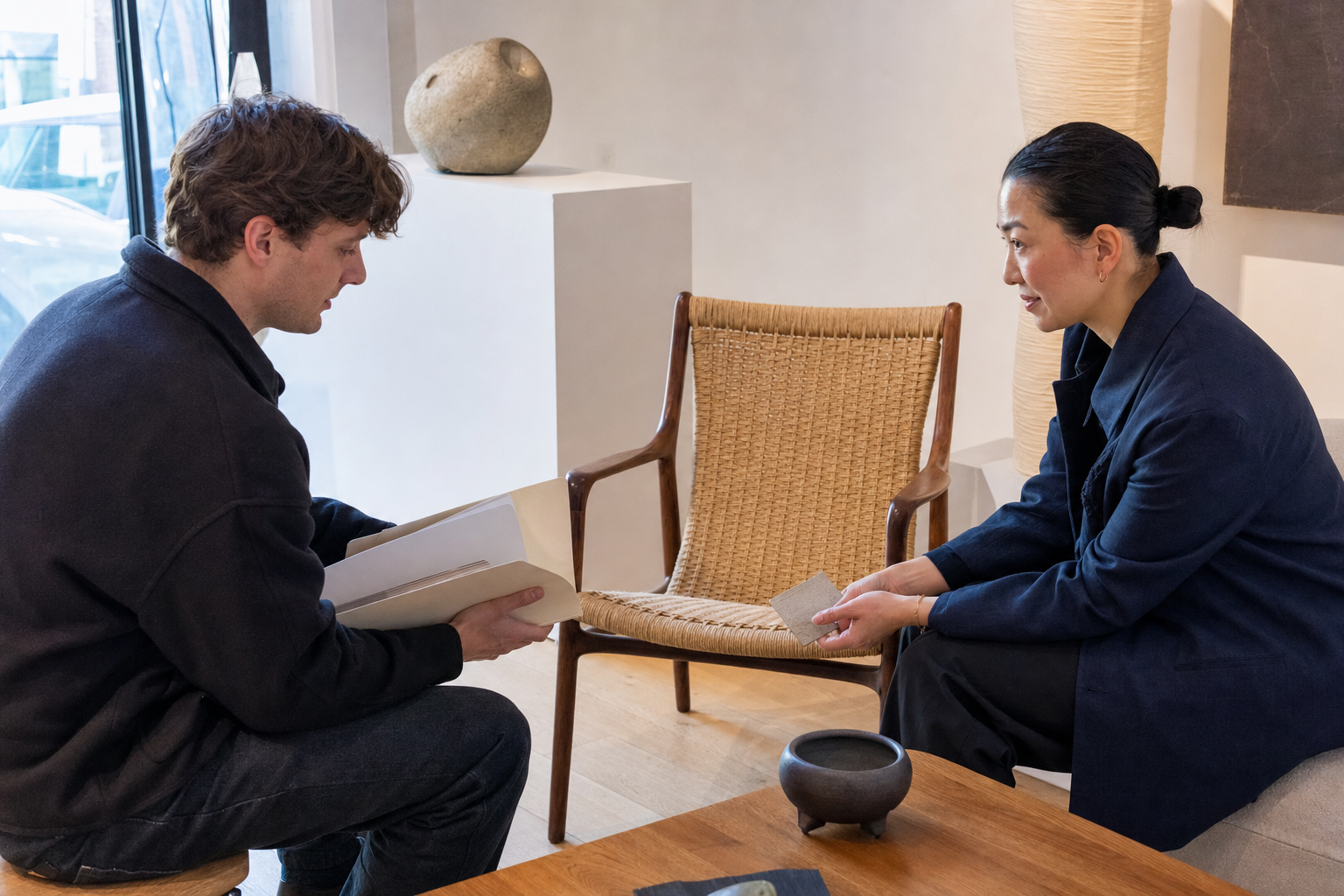
Turn Exhibitions Into Lasting Editorial Assets
An exhibition should not disappear when the installation closes. Document the curatorial idea, installation, individual works, collaborators and public response. Publish a clear page before opening, then add photography, video or a short reflection afterward.
The archive can support future research, artist visibility, press, sponsorship and search. It also proves the institution’s history instead of leaving it scattered across social platforms.
Use Social Media to Open a Door
Social content should invite attention without reducing every work to a decorative image. Build recurring formats such as a material close-up, a curator’s note, a maker demonstrating a process, an installation decision or a one-minute object history.
Short video works when it reveals scale, movement, sound or technique. Let a knowledgeable person make one specific observation. Avoid vague captions that describe every object as iconic, timeless or unique.
Design Email Around Access and Understanding
Email is valuable because it can speak directly to collectors, designers, press, members and interested newcomers. Segment those groups and send information that respects their relationship with the brand.
A collector may need previews, condition information and appointments. A general subscriber may value essays, event reminders and new maker introductions. A trade contact may need specifications and licensing information. Relevance feels more premium than simply sending less often.
Balance Transparency and Personal Service
Some collectible work requires conversation, but secrecy can create unnecessary friction. Publish accurate dimensions, materials, edition information and a clear availability status. State whether prices are available online, on request or through a viewing appointment.
Make the enquiry path human. Name the person or team responding, explain what happens next and reply with enough context to continue the relationship.
Build Search Visibility Through Scholarship
Search demand may be smaller than in mass retail, but it can be highly qualified. Create detailed pages around makers, movements, materials, exhibitions and collecting questions. Use primary sources, original interviews and careful citations.
Google’s guidance on helpful content recommends material created for a real audience. Cultural brands already have access to expertise. The opportunity is to publish it in a structure people can find and navigate.
FORTUNE Marketing’s digital marketing services help design-led brands connect editorial authority with search, social, email and paid distribution.
Use Partnerships With a Clear Exchange
Work with museums, fairs, architects, designers, publishers, hotels and creators when the audiences and ideas genuinely overlap. Define the editorial premise, access, rights and desired action before production begins.
A strong partnership contributes new knowledge or perspective. A weak one places two logos beside the same generic event photograph.
Measure Cultural and Commercial Progress
Track qualified enquiries, appointments, event registrations, catalogue downloads, repeat visitors, press references, email growth and acquisitions. Review which makers, themes and formats lead people deeper into the program.
Not every valuable article will produce an immediate sale. Measure whether it builds an audience that returns, cites the work and eventually participates.
Frequently Asked Questions
Should collectible design brands show prices online?
Show prices when it supports the sales model and customer expectation. When pricing requires a conversation, still publish the information needed to assess relevance and make the enquiry process clear.
How often should a gallery publish content?
Build a sustainable rhythm around real programming and expertise. One substantial exhibition page, interview or essay can create more lasting value than frequent posts with little context.
Make Specialist Knowledge Inviting
Collectible design and culture do not need to become simplistic to reach a wider audience. They need precise storytelling, thoughtful access and a marketing system that respects both the work and the person discovering it.
If your gallery, platform or cultural brand has authority but a fragmented digital presence, talk with FORTUNE Marketing about turning that knowledge into a connected audience and demand strategy.