
This analysis was written from the perspective of FORTUNE Marketing founder Shawn Fortune.
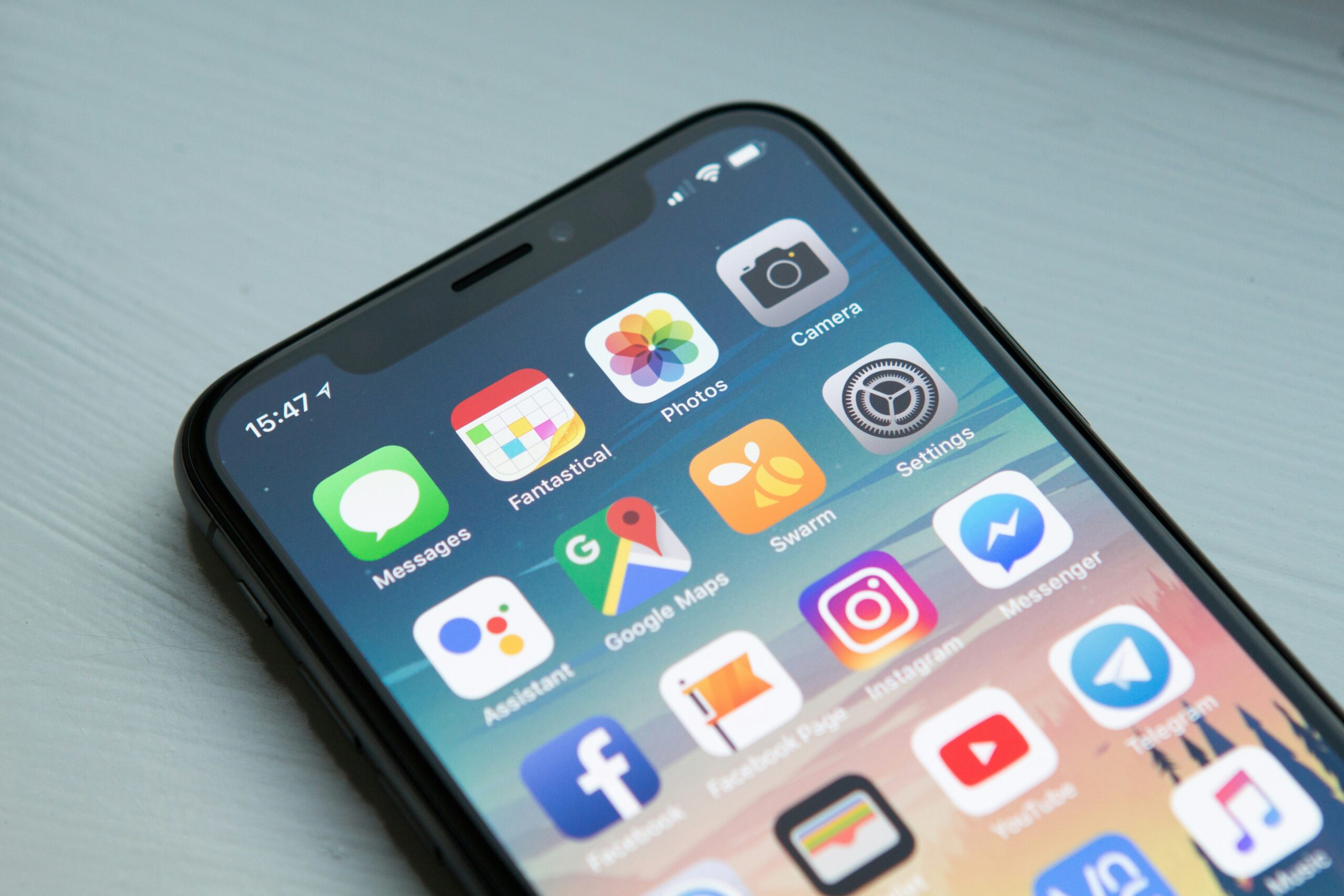
Instagram is not dying in the simple sense. It is changing from a follower-led photo network into a recommendation-led discovery, entertainment and messaging platform. That change has made organic reach less predictable for many brands, but it has not made Instagram irrelevant.
The useful question is whether Instagram performs a clear job in a brand’s marketing system. The answer depends on the audience, product, content and path from attention to action.
Why Instagram feels different now
Instagram’s early growth rewarded following relationships and polished photography. A person followed an account and expected to see its posts. The current experience mixes followed accounts with recommended Reels, Explore content, ads and posts shaped by individual behavior.
Meta continues to invest in recommendations. It also gives users controls such as Following, Favorites, content preferences and recommendation resets. The practical result for brands is that follower count does not guarantee distribution. Each post competes for attention based on its relevance and response.
This helps explain why an established brand can have a large following and modest engagement. The account may still provide credibility, customer service and research value even when each post reaches a smaller share of followers.
Is organic reach dead on Instagram?
No, but passive publishing is weak strategy. Organic reach now depends on whether the content earns attention from the intended audience. Original content, useful ideas, recognizable creative and genuine sharing behavior matter more than filling a calendar.
Brands should separate three forms of reach:
- Follower reach: distribution to people who already know the account.
- Recommendation reach: distribution to people who do not follow the account.
- Paid reach: distribution purchased through advertising.
Each serves a different purpose. Follower reach supports familiarity. Recommendation reach can create discovery. Paid reach provides controlled scale and targeting. A sound social media strategy decides how these parts work together.
What Instagram still does well for brands
Visual evaluation
Instagram remains useful for products, spaces and experiences that people want to see before choosing. Interiors, architecture, fashion, hotels, restaurants and cultural events can communicate material, atmosphere and point of view through images and video.
Brand validation
Potential customers often check an Instagram profile after discovering a business elsewhere. A clear profile can confirm that the business is active, visually coherent and relevant to their interests. Highlights, tagged posts and recent work can reduce uncertainty.
Creator and community discovery
Reels, reposts and recommendations can introduce content beyond an account’s follower base. Creator collaborations add a human perspective and can help a brand reach communities that would not respond to conventional advertising.
Conversation and customer contact
Direct messages, comments and Stories create lightweight ways to ask questions or respond to a brand. These interactions should have an owner and a response process. An unanswered message is not a marketing strategy.
Where Instagram is weak
Instagram is a rented platform. A brand does not control distribution, feature changes or access to its audience. Content can also disappear quickly from attention, and direct attribution becomes difficult when people research across several channels before acting.
Instagram is especially weak when a business expects it to replace:
- a useful website;
- search visibility for active demand;
- an email list or customer database;
- a clear offer and sales process; or
- consistent paid distribution when predictable reach is required.
The platform should support those assets, not substitute for them.
How brands should measure Instagram
Engagement rate alone can hide more than it reveals. A high rate on a small audience may not create commercial value. A lower rate on widely distributed content may still influence meaningful discovery.
Measure Instagram according to its assigned role:
- Awareness: qualified reach, video watch time, shares and profile visits.
- Consideration: saves, substantive comments, website visits and branded search activity.
- Community: useful direct messages, repeat interaction and response quality.
- Conversion: inquiries, sign-ups, bookings or sales influenced by Instagram.
- Creative learning: subjects, hooks and formats that perform well enough to inform other channels.
Review trends over several months. A single viral post does not prove a strategy, and one weak week does not prove that the platform is dying.
A practical Instagram operating model
Give the account one primary job
Choose whether Instagram should create discovery, demonstrate expertise, validate the brand, support a community or generate inquiries. It can perform several jobs, but one should guide the plan.
Build repeatable editorial themes
Create a small set of topics connected to audience questions and business priorities. A hotel may use design details, neighborhood guidance, guest experience and cultural programming. An architecture firm may use project decisions, material insight, construction context and completed spaces.
Design for sharing and saving
People share content that helps them express taste, inform someone else or plan for later. The content needs a reason to travel between people. Strong visuals earn attention, while specificity earns the save or share.
Connect posts to owned assets
High-intent content should lead to a relevant service page, article, booking page or email sign-up. FORTUNE Marketing’s website design work treats the destination as part of the campaign.
Use paid media selectively
Paid distribution can extend proven creative, reach a defined audience or support a conversion goal. It should not be used to hide weak content or a weak offer. The paid ads service explains how creative, targeting and measurement connect.
Should a business reduce its Instagram investment?
Reduce the investment when the audience is elsewhere, production costs exceed the value created, or Instagram has no clear role in the sales journey. Maintain or increase it when customers use the platform to research the category, the business can produce credible visual content and the account supports measurable discovery or consideration.
Reallocation should be based on evidence. Compare Instagram with SEO, paid search, email, partnerships and other social platforms. FORTUNE Marketing’s methodology assigns channels according to the business problem rather than habit.
Instagram is changing, not disappearing
The version of Instagram built around chronological photos and predictable follower reach has passed. The current platform rewards recommendation, video, sharing, messaging and paid distribution. Brands that understand those functions can still use it well.
FORTUNE Marketing connects social strategy with creator partnerships, paid distribution and the wider website experience. Related industry work includes marketing for interior designers, architecture firms and hospitality brands.