
Search / product information / design brands
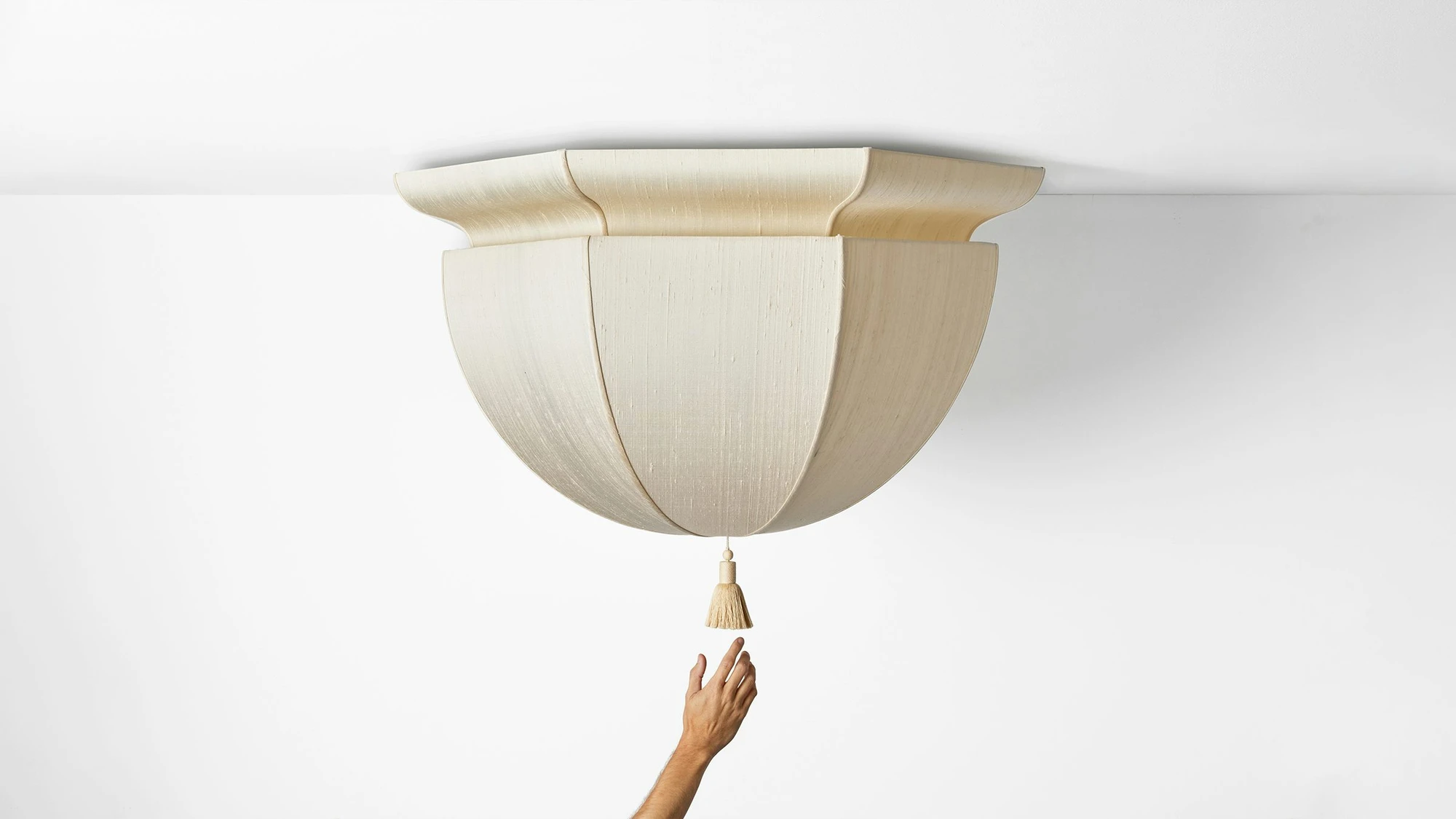
A pendant light can look perfect in a photograph and still be wrong for the project. A buyer needs the drop, dimensions, light source, finish and installation requirements before specifying it.
That is a useful place to start a conversation about AI and SEO. Search interfaces can summarise a question. Your website still has to supply dependable product information and help someone make the next decision.
What AI changes, and what it does not
The interface
More of the comparison can happen before a click.
Google’s AI Overviews and AI Mode can combine information and link to supporting pages. The response and sources can vary.
The work
The source page still needs to hold up.
A confident answer needs facts behind it. A material, dimension or project constraint is more useful than another claim about timeless design.
Google’s guidance for AI features says there are no extra technical requirements or special AI schema. Pages need to be indexed and eligible for a search snippet. Eligibility does not guarantee inclusion.
A product page worth examining
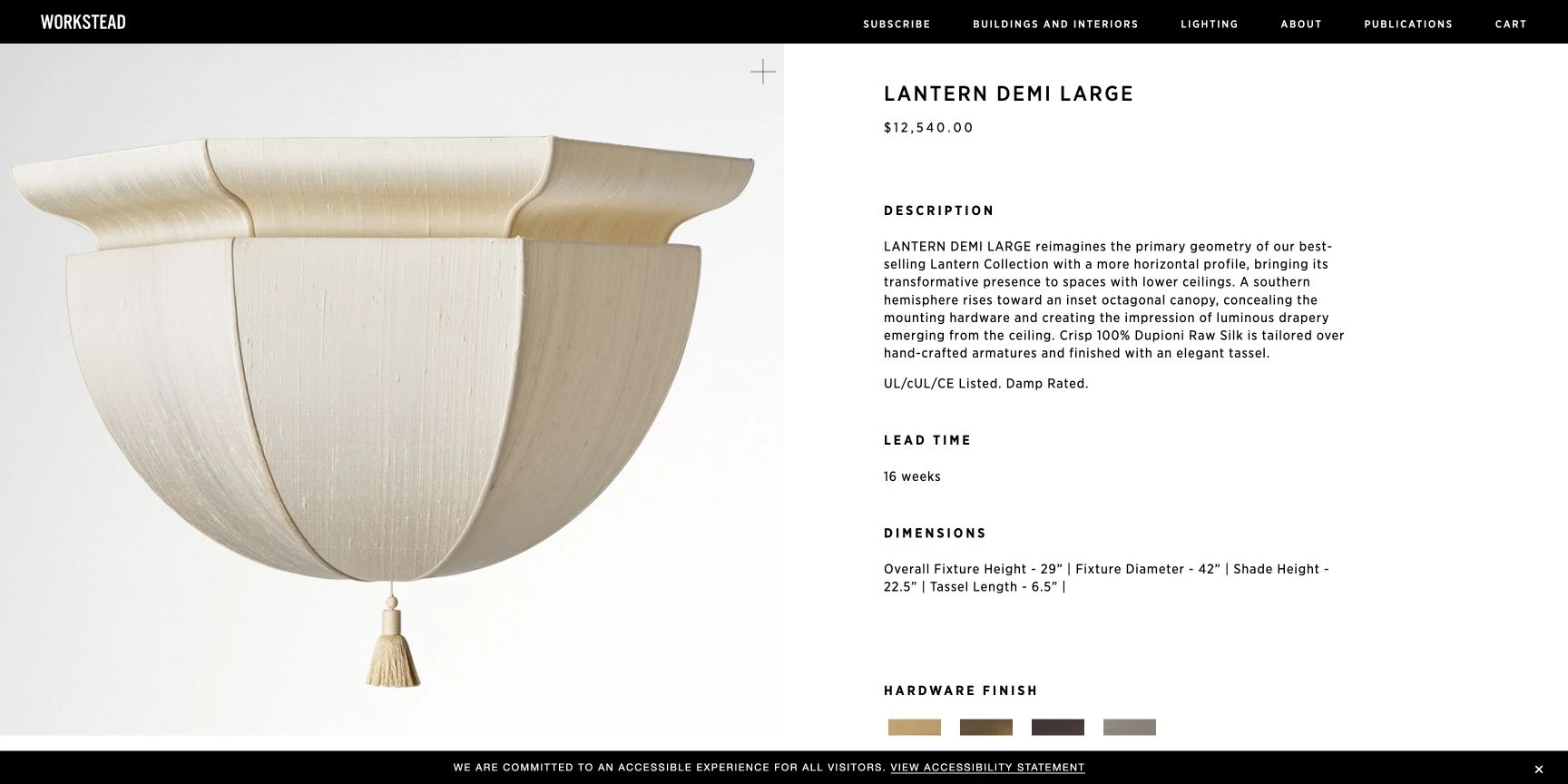
Workstead places a substantial product photograph beside named materials, dimensions and finish choices. It also offers specification and CAD downloads. Someone evaluating the light can admire it and check it on the same page.
The lesson for a design brand is specific: make the facts visible in the page, then offer the technical file for the person who needs more. Do not make every visitor download a PDF to discover whether an object fits.
Try the three-question page test
Choose an important product, service or project. Open the closest example below and compare it with the page you have now. These are editorial checks, not an AI ranking score.
A product: can someone check fit before inquiring?
Look for dimensions, material and finish, intended use, compatibility, care and a clear buying or specification route. For lighting, describe the light source and installation details that are actually relevant to that fixture.
If the page says “ideal for any interior”, replace it with the circumstances the product was designed for and the limitations a specifier needs to know.
A studio: can someone identify the right commission?
State the work you accept, the locations you serve and the information needed for an initial inquiry. Show a project that demonstrates that scope. A long list of unrelated services makes the decision harder.
Our architecture and studio SEO guide develops that approach.
A project: is there anything to reference beyond the images?
Name the designer, location where appropriate, materials and collaborators. Explain a real constraint and the decision it produced. Keep permissions and privacy in mind. A source should be accurate before it becomes more visible.
A screenshot is an observation, not a result
An AI answer mentioning a brand can be useful to record. Save the query, date, market, platform and linked URL. Repeat the check consistently. A single answer does not establish how often the brand appears or whether it attracts suitable customers.
Relevant queries and landing pages.
Search traffic and identifiable referrals.
Product exploration, orders and qualified inquiries.
What the reporting cannot separate.
Google includes AI-feature traffic within Search Console’s Web reporting. Do not label every organic visit an AI referral. Compare search data with on-site actions and inquiry quality before changing the budget.
Start with one page that matters.
A useful SEO review can identify where product or project information breaks down. Talk to FORTUNE about the pages your customers need to make a decision.
Updated October 30, 2026. Workstead is an independent editorial example, not a FORTUNE client or performance case study. Product imagery and interface belong to Workstead. Technical guidance: Google Search Central. No AI appearance or ranking outcome is promised.