
Hem offers material samples. USM lets customers configure a piece. Vitsœ asks for room measurements and plans shelving with the buyer. Three design brands, three ways of helping someone move beyond liking the photograph.
That part of furniture marketing deserves more attention. More reach will not resolve a finish someone cannot judge, a configuration they cannot picture or an installation they do not understand. The next useful piece of content should answer the question holding up the decision.
1. Hem: let the material leave the screen

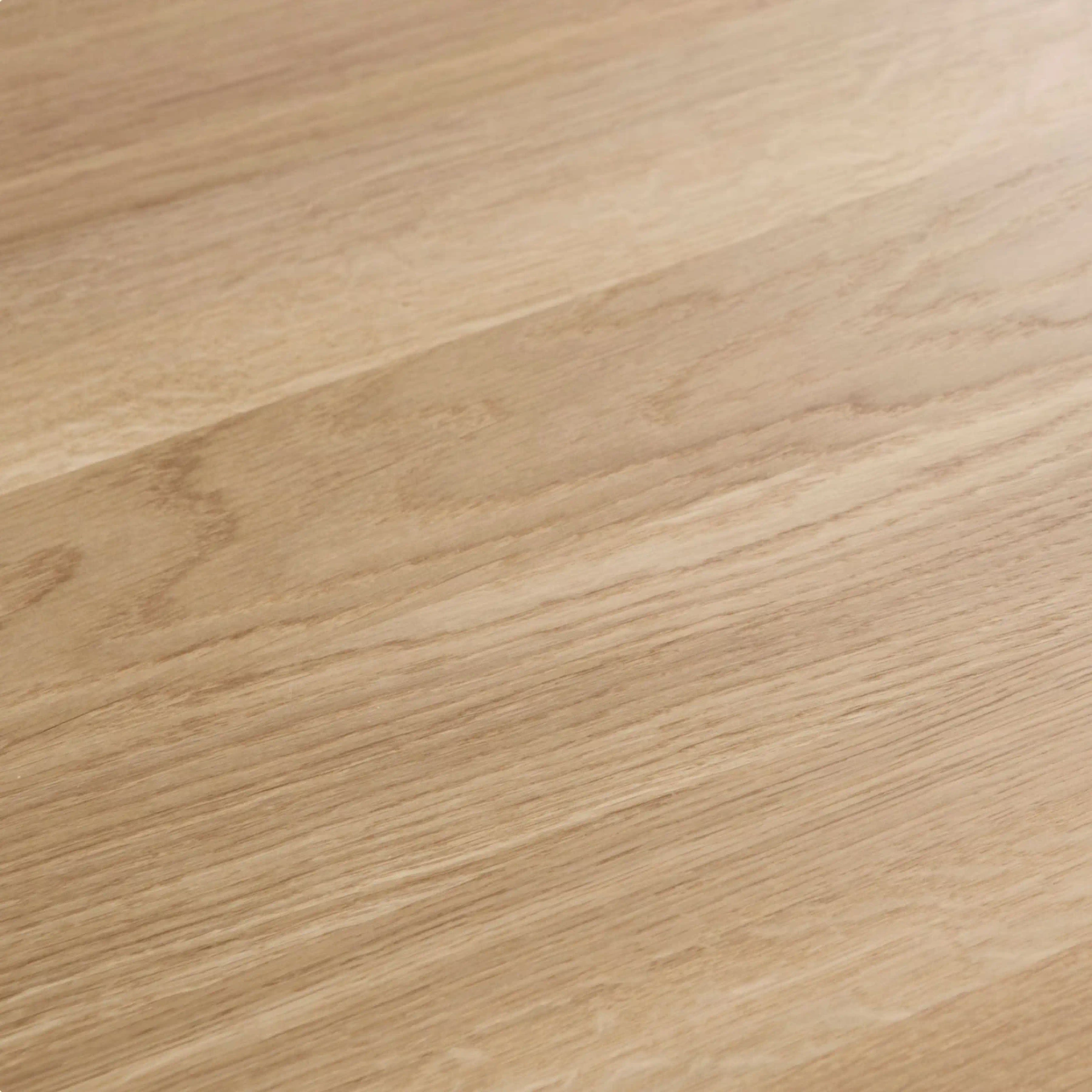
Hem’s material-samples page groups swatches by textiles, woods and cork, leathers, and metals. It also connects design professionals to Hem Pro, where complimentary samples sit alongside trade information.
The sample is a physical part of the buying experience. A product photograph can show a woven surface. It cannot let someone compare that surface with the timber floor and upholstery already in their room.
For a smaller furniture brand, the useful starting point is operational: can a visitor find the correct sample from the product page, understand how to request it and identify it when it arrives? A box of unnamed swatches creates another task for the customer.
What to make a close material photograph, a clearly named sample and a direct route between the sample and the relevant product or finish. If the finish varies naturally, explain that at the point of selection.
2. USM: make the configuration part of the experience
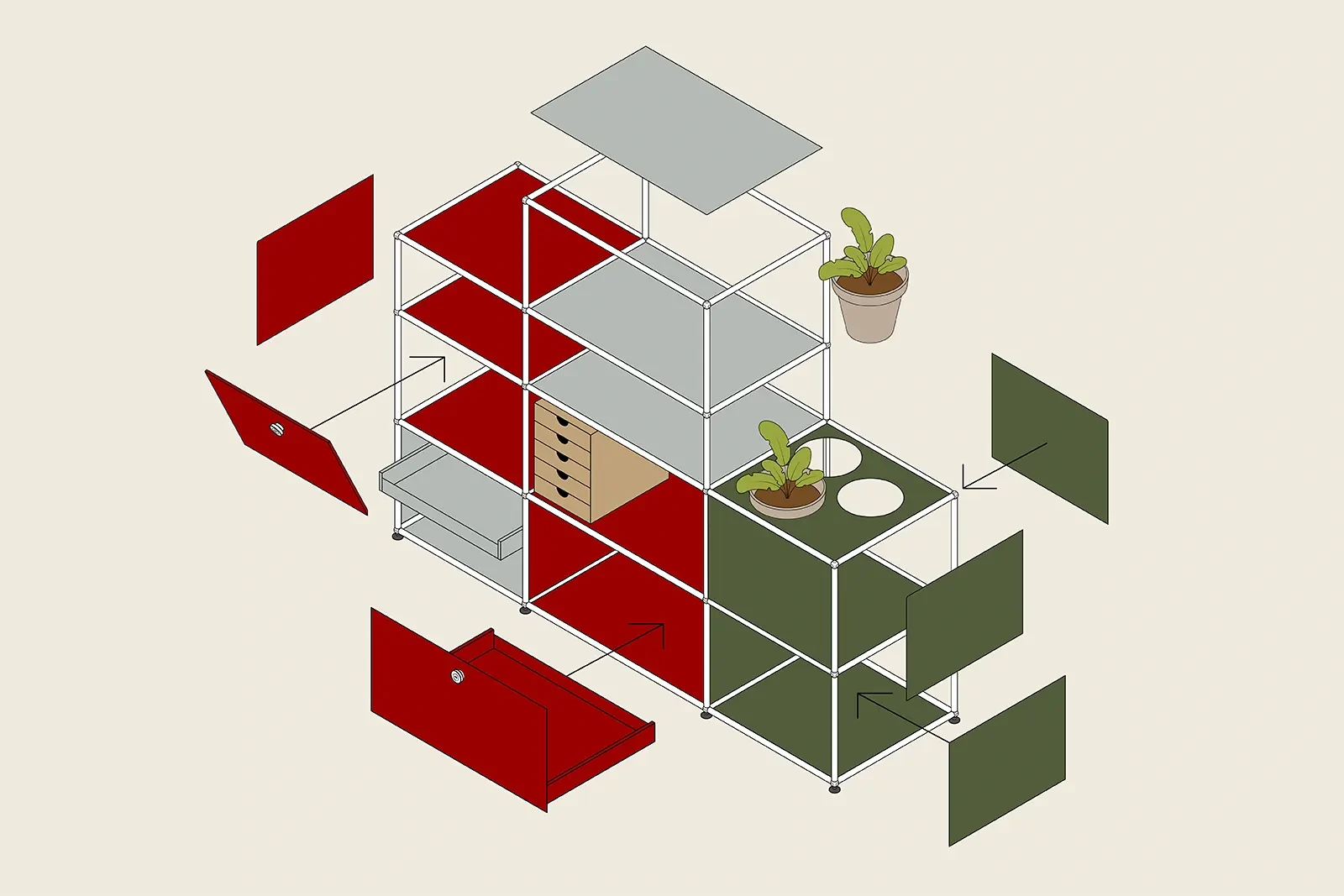
The illustration shows a choice a finished-room image cannot: which parts can change.
USM’s configurator lets visitors start a design or adapt a classic. Its public page also describes room visualisation through augmented reality and offers specialist support.
For modular furniture, an image of one finished arrangement only shows one possibility. Configuration brings the customer’s dimensions, storage needs and preferences into the conversation.
This does not mean every furniture business needs a 3D tool. A brand with a small collection may be better served by three dimensioned configurations and a person who can confirm the right choice. The investment should match the complexity of the decision.
What to make start with the configurations customers repeatedly ask about. Show the dimensions, explain what each arrangement accommodates and make the route to assistance visible.
3. Vitsœ: make advice a clear next step
This loads Vimeo. Or watch on Vitsœ’s planning page. No video loads before you choose.
Vitsœ takes a different approach with its 606 planning service. Customers provide measurements, photographs and intended uses; a planner develops the shelving with them. The page states that the service is free and an inquiry does not commit the customer to buying.
The request has a defined purpose. Someone does not have to write an open-ended email asking whether the company can help. They can see what information to prepare and what the next exchange will involve.
That distinction matters for furniture retailers and makers whose products require planning. “Contact us” asks the visitor to invent the process. A planning route explains it.
What to make describe the assistance you actually provide, the information required and what the customer receives next. Do not promise free design work or response times that the team cannot sustain.
Match the content to the unanswered question
Before adding another lifestyle shoot to the brief, review the questions in recent sales conversations. Use them to identify the missing evidence.
| What the buyer needs to resolve | Useful evidence | Where it belongs |
|---|---|---|
| How large will it feel? | A dimensioned drawing and a room or human-scale view | Beside product dimensions |
| How will the material look here? | A clear finish photograph and the matching sample | At the finish selector |
| Which arrangement meets my needs? | Named configurations or planning assistance | Before the product choice becomes overwhelming |
| What will receiving it involve? | Accurate lead-time, access, delivery and assembly information | Before payment or a quote is accepted |
These are content and service decisions, not just design features. Our photography work starts with what the image needs to establish; the rest of the page must carry the information a photograph cannot.
Give search, social and email different jobs
For furniture ecommerce marketing, a useful search structure separates category, product and advice pages. A collection page helps someone compare relevant objects. A product page resolves the chosen object’s details. A guide earns its place when it helps someone make a decision that neither page can cover well.
A small-space dining guide, for example, needs dimensioned layouts, circulation considerations and relevant pieces. Renaming a product catalogue “small-space inspiration” adds little.
On social, show one decision at a time: how a configuration changes, what a finish looks like in daylight or why a joint was chosen. Link to the corresponding evidence. In email, distinguish someone who requested a sample from someone ready to discuss an order. Do not follow both with the same discount sequence.
FORTUNE’s SEO services connect those page types without creating near-identical pages for every keyword variation.
Measure the step you are asking someone to take
Sample requests, planning inquiries and completed sales answer different questions. Track them separately, then check whether the earlier steps are followed by commercially useful conversations or purchases over an appropriate period.
A rise in sample requests alone does not establish a sales increase. Review the relevant product, traffic source, follow-up and elapsed time. Compare buyer questions before and after the page change to see whether the missing information is actually clearer.
The three brands here illustrate visible buying tools and service choices. Their public pages do not tell us how much revenue those choices produce.
Start with one product that deserves a better explanation
A quick brief for the next product-page edit
Product / unanswered buyer question / missing evidence / owner / review date. Complete those five fields before booking a shoot or briefing a new tool.
Choose a product people ask about but struggle to select. Review its photographs, finish information, dimensions, delivery explanation and route to help. Fix the missing evidence before commissioning more material simply to increase volume.
For design-led brands, the useful marketing question is specific: what must someone understand before they can buy this object?
FORTUNE Marketing works across websites, content and search. Talk to us about the product or collection your digital experience is not yet explaining well.
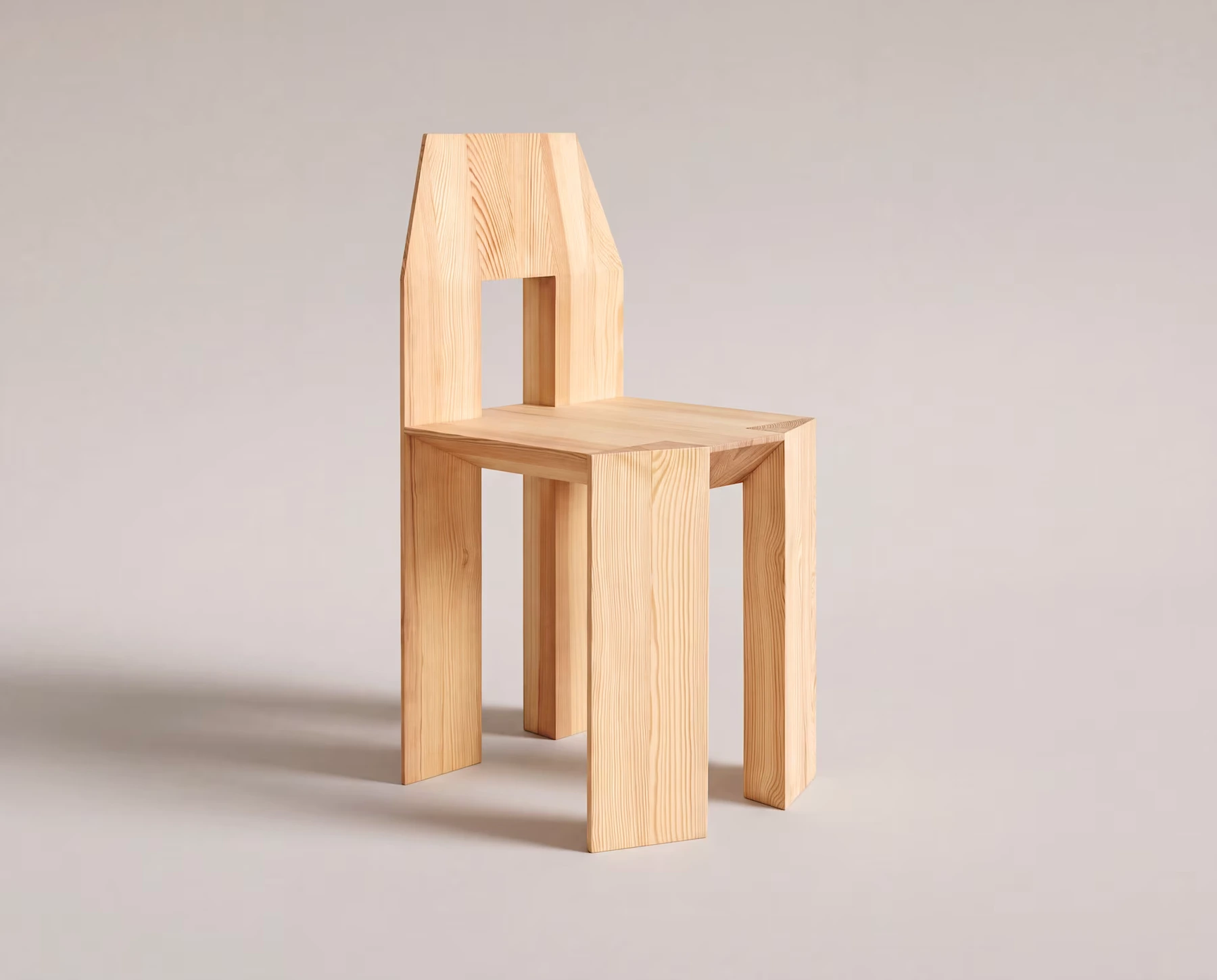
Cover: Min Chair by Max Lamb, product photograph via Hem. Sources reviewed October 29, 2026. Hem, USM and Vitsœ are independent editorial examples, not FORTUNE client case studies. Tool availability and buying arrangements may vary by market.