

A good fashion email gives someone a reason to look more closely at a garment. The cut, the cloth, the person who made it or what happens after the first wash can all be more persuasive than another percentage off.
Email marketing for fashion brands becomes more interesting when the calendar follows those decisions. A subscriber comparing two trouser shapes needs different information from a customer who has just received a wool coat.
TOAST’s repair photography and ASKET’s denim guides offer two useful starting points. Below, we turn those kinds of product stories into three concrete email briefs.
TOAST gives the garment a life beyond the launch
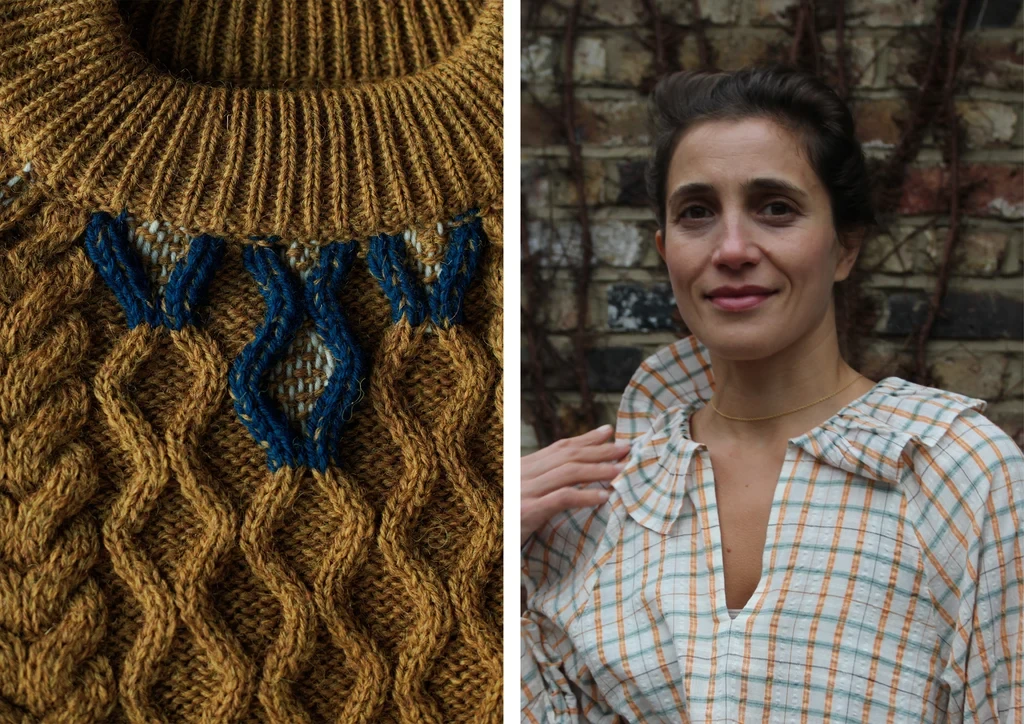
The blue stitches are the story. The photograph gives the reader something specific to notice before the copy explains it.
In its 2023 profile of repair specialists, TOAST pairs portraits with visible mends. It connects a service, skilled people and the physical character of clothing. That is richer source material for an email than a generic statement about timeless quality.
A smaller label can use the same editorial discipline without copying TOAST’s programme. Photograph a repair your team actually offers, explain one construction decision or show how a garment changes with use. If you do not provide repair, do not imply that you do. Link to the service or guidance that exists.
ASKET makes the choice easier to see
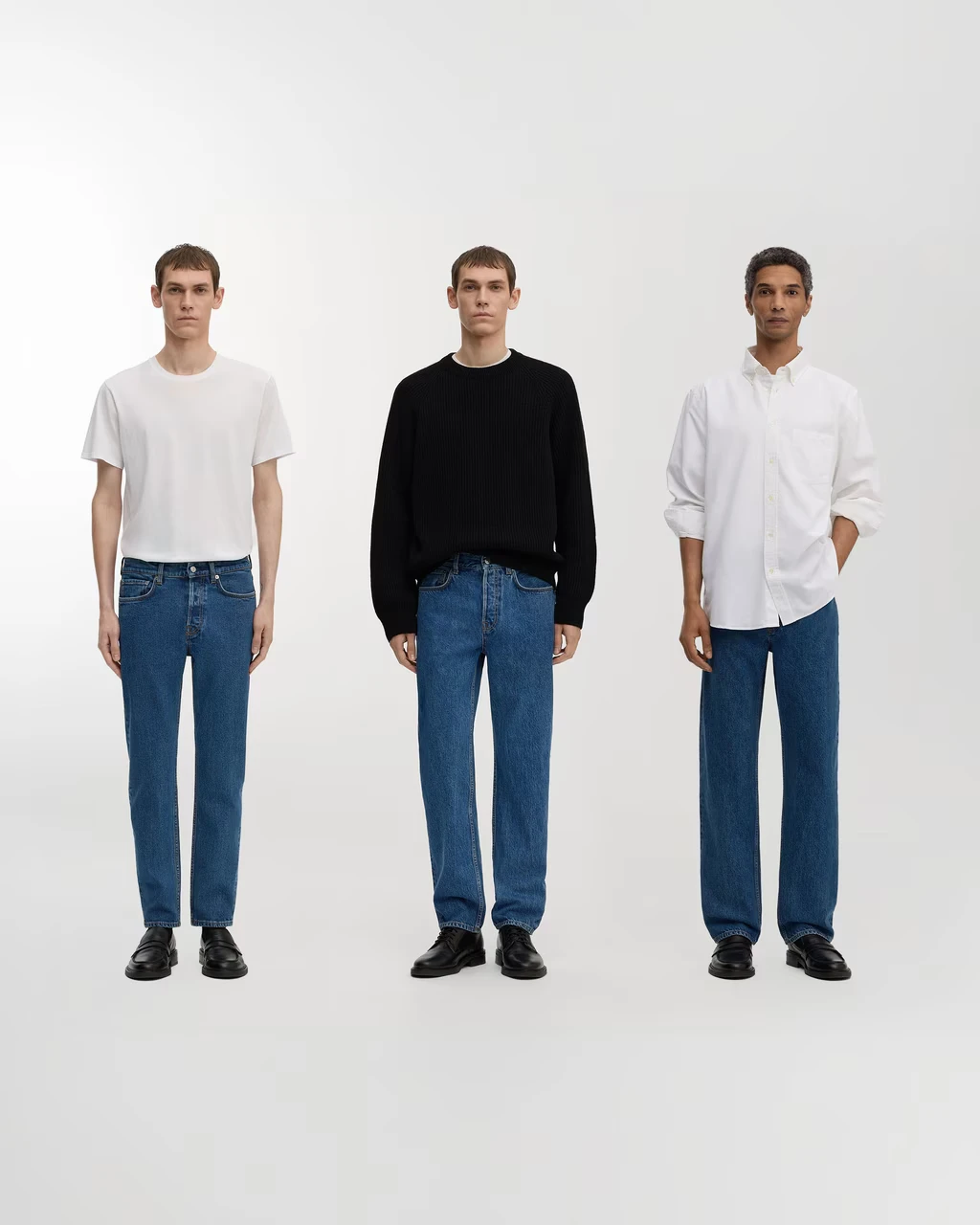
ASKET’s denim guide puts the fits next to one another and explains the differences in leg shape and length. The consistent photography makes comparison possible.
Its separate raw denim care guide addresses wear, washing and fading. Those are useful topics before purchase and after delivery.
An email can introduce one of those questions and take the reader to the answer. It does not need to reproduce the entire guide in an inbox.
Three emails worth putting in the calendar
The examples below are FORTUNE concepts for an independent label, not emails sent by TOAST or ASKET. Each has a reader, a reason to send and a destination. The subject line follows the content rather than carrying the whole idea.
The comparison email
For subscribers considering trousers, show the same garment on two body types or compare two cuts using consistent views. Include the measurements and model details needed to interpret the images.
SubjectThe same trouser, two different cuts
OpeningThe straight leg sits closer through the hip. The relaxed cut gives you more room through the seat and thigh. Here they are side by side.
LinkCompare the fits
Destination: a useful fit page, not the unfiltered shop. Review fit-guide visits, relevant product visits and subsequent orders. Read size-related questions and return reasons alongside those numbers.
The detail email
Choose one feature that justifies attention: a removable lining, an unusual weave or a pocket designed for a particular use. Show it closely and explain what it changes for the wearer. Use the designer’s actual explanation.
SubjectWhy we changed the lining
OpeningThis season’s coat has a removable inner layer. The outer shape stays the same; the warmth changes with the weather.
LinkSee the coat inside and out
Destination: the product page with the same detail shown clearly. Track visits to that product, purchases and customer questions. Do not use this copy unless the feature is true.
The ownership email
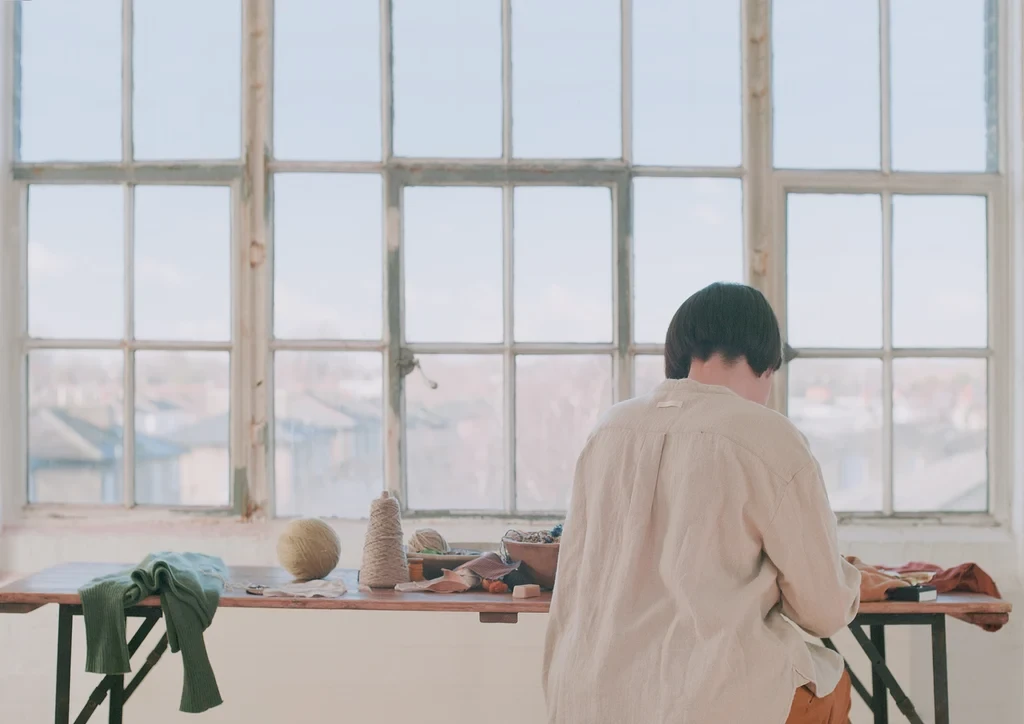
Send care information for the garment purchased once the customer has had time to receive it. Keep transactional delivery messages separate. A knitwear customer should receive relevant care, not a denim tutorial or an immediate attempt to sell the same jumper again.
SubjectLooking after your new knit
OpeningA few care notes for the wool knit you ordered, including how to dry it and what to do when it starts to pill.
LinkRead the care notes
Destination: verified instructions for that material. Review useful clicks, replies, care questions and repeat purchase over a sensible period. A care click is not proof of loyalty.
Build a small system, not an endless newsletter
Use what the customer tells you
Start with a few reliable distinctions: subscriber or customer, product purchased and declared interests. Check permissions and exclusions in your email platform. Do not infer a detailed personal profile from a single click.
Make the landing page do its share
A strong subject cannot rescue missing fit information. Connect the email brief to the product page, photography and site navigation before adding another automated sequence.
Welcome emails, basket reminders and replenishment messages may still belong in the programme. Their purpose should be clear, their facts accurate and their timing appropriate. Genuine availability can be useful information. Invented scarcity is not.
A five-line brief for your next send
Reader: who needs this now?
Question: what are they trying to decide?
Evidence: which photograph, fact or explanation helps?
Destination: where is the complete answer?
Review: what will we measure, and what customer feedback will we read?
FORTUNE Marketing connects email marketing, design-led content and the ecommerce experience. Talk to us about the collection or customer journey your current emails do not explain well.
Cover and repair photography: TOAST Magazine, “Enduring Appeal”, March 2023. Denim comparison: ASKET. These are independent editorial examples, not FORTUNE client case studies or an audit of either brand’s email programme. Sources reviewed October 29, 2026.